When the Time to Renew Yourself Has Come, Let This Song Be Your Hymn
As the fourth track on Hidden Passion, “Game Over” brings a jolt of resolve to the album’s emotional arc. Where earlier songs explore hope, joy, and connection, this one stares down a hard ending and chooses to move forward anyway. Toby Berka turns the familiar phrase “game over” on its head: instead of defeat, it becomes the signal to restart, to wake up, and to finally choose yourself. With its determined tone and rallying chorus, “Game Over” plays like a breakup hymn for anyone who knows they can’t keep pretending everything is fine—and is finally ready to step into something new.
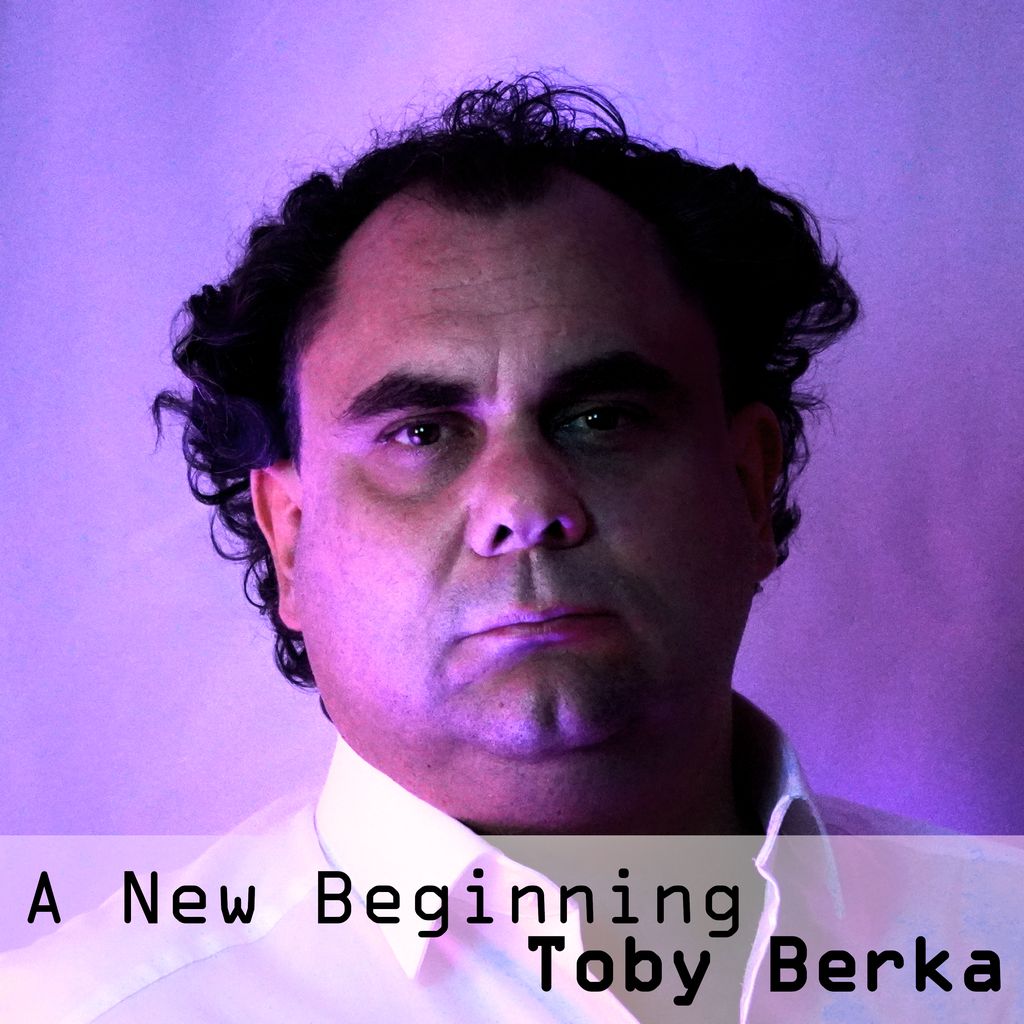
Lyrics
It is time to wake up and see
Will I sway, I cannot guarantee
It is time to admit my feelings and disagree
To break away and set me free
This is now game over tragic’ly
And the play is now to move along and to rally
See it through, start anew, carry on gladly
But as it seems this sadly means game over
Onward now, it’s time to stand proud
Carry on forever as I’ve vowed
Take a chance, break a lance, and dash ahead through the shroud
The game is up, so shout aloud
This is now game over tragic’ly
And the play is now to move along and to rally
See it through, start anew, carry on gladly
But as it seems this sadly means game over
Ending the Old Game, Starting aNew
With “Game Over”, Toby Berka steers Hidden Passion into more confrontational territory, giving voice to the moment when you decide: this can’t go on. The track captures that sharp, uneasy clarity that arrives right before a major change—when you finally admit your true feelings, knowing full well it will cost you the life you’ve been living. Rather than indulging in bitterness, Berka uses the language of endings to create a kind of personal anthem for renewal.
From the opening line—“It is time to wake up and see”—the song frames itself as a call to consciousness. There’s no softening of the situation: “Will I sway, I cannot guarantee,” the narrator admits, acknowledging that resolve can wobble, that leaving is rarely clean or easy. But there’s a decisive shift in the next lines: “It is time to admit my feelings and disagree / To break away and set me free.” That combination of honesty (“admit my feelings”) and opposition (“disagree”) suggests a relationship or situation where the narrator has been quiet too long, going along with something that no longer feels right.
The chorus centers on a phrase that, in almost any other context, would signal defeat: “This is now game over tragic’ly.” Yet Berka refuses to end it there. The very next line flips the script—“And the play is now to move along and to rally.” The “game” may be over, but life is very much not. Instead, the ending becomes a strategy shift: “See it through, start anew, carry on gladly.” The rhyme scheme and rhythm give the chorus a marching quality, as if the narrator is talking themselves through the pain into the next phase. The final twist—“But as it seems this sadly means game over”—keeps the emotional honesty intact. It does hurt. It is sad. Both can be true at once: grief for what’s lost and determination to move on.
In the second verse, the language grows bolder: “Onward now, it’s time to stand proud / Carry on forever as I’ve vowed.” The hesitancy of the first verse shifts into something like a personal oath. The line “Take a chance, break a lance, and dash ahead through the shroud” leans into almost medieval imagery—breaking a lance like a knight riding into a decisive clash, pushing through a fog (“the shroud”) toward clarity. It’s a vivid way of expressing what emotional boundaries often feel like: not a gentle walk, but a charge through uncertainty.
Musically, “Game Over” delivers a driving, insistent arrangement—a tighter, punchier rhythm and more forceful percussion than the tracks before it. You can practically taste the sharp synth stabs and electric violin accents punctuating the lines “game over tragic’ly” and “move along and to rally,” reinforcing the sense of decision and motion. Vocally, Berka gives us a more declarative delivery, less about tenderness and more about resolve—still emotional, but with a firmness that matches the lyrical message of standing proud and moving on.
Within the flow of Hidden Passion, “Game Over” plays an important narrative role. After songs that celebrate hope, connection, and joy, it acknowledges that passion also involves endings—moments where staying would mean betraying yourself. By framing “game over” as both a lament and a rallying cry, Berka avoids the cliché of the bitter breakup track. Instead, he offers something more nuanced: a hymn for people who are scared, sad, and determined, all at once.
In the end, “Game Over” isn’t about defeat; it’s about drawing a line. It’s for anyone who knows that the story they’re in has reached its final act—and is trying to find the courage to close the curtain and step onto a new stage.
 Toby Berka